
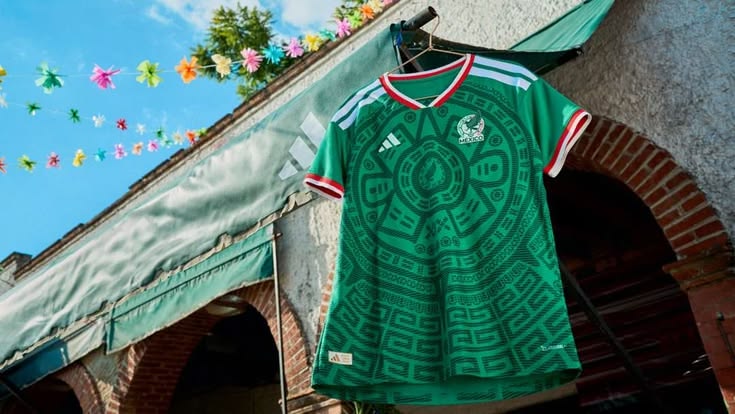
When you put on the Mexico jersey, something happens that has nothing to do with soccer.
It is not about the game. It is not about the score. It is about wearing your country on your chest and everything that comes with it. The pride. The hope. The feeling that no matter where you are, you are connected to something much bigger than yourself.
For Mexicans living in the United States, that feeling hits different. You are not just supporting a team. You are carrying your identity in a piece of fabric. You are saying, without words, where you come from, what you value, and who you are.
That is why the Mexico jersey became the best-selling jersey of the entire summer, outselling Argentina, Spain, Germany, and every other nation in the Adidas global portfolio. Nearly 5 million units sold, a record in the history of the Mexican Football Federation (HispanicPro Network, 2026). Not because Mexico is the favorite to win. Because wearing it means something.
From the stands to the street
This did not happen overnight.
For years, wearing a soccer jersey meant one thing: you were going to a game, or watching one. It was functional. It told people which team you supported and not much else.
What changed is a combination of things that all accelerated at the same time. Social media made cultural identity visible in a way it never was before. TikTok, Instagram, and YouTube turned wearing a jersey into a statement that millions of people could see, react to, and share. FOMO did the rest. When you see your entire feed wearing the same green jersey with pride, you do not just want one. You feel like you need one.
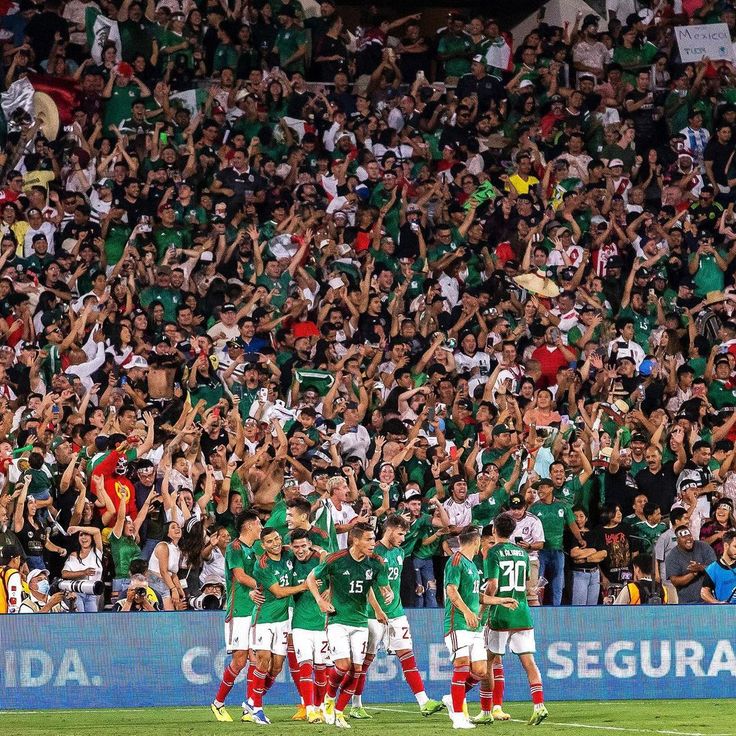
But the bigger shift was on the field. Mexico played exceptionally well this summer, and that matters. Pride is easier to wear when your team gives you something to be proud of. The jersey stopped being a uniform and started being a symbol of a country that showed up and competed at the highest level.
Add to that the 68 million Hispanics living in the United States, many of them Mexican or of Mexican descent, who found in this jersey a way to express something they carry every day but rarely get to show so openly. Their roots. Their pride. Their identity.
The jersey became the vehicle for all of it.
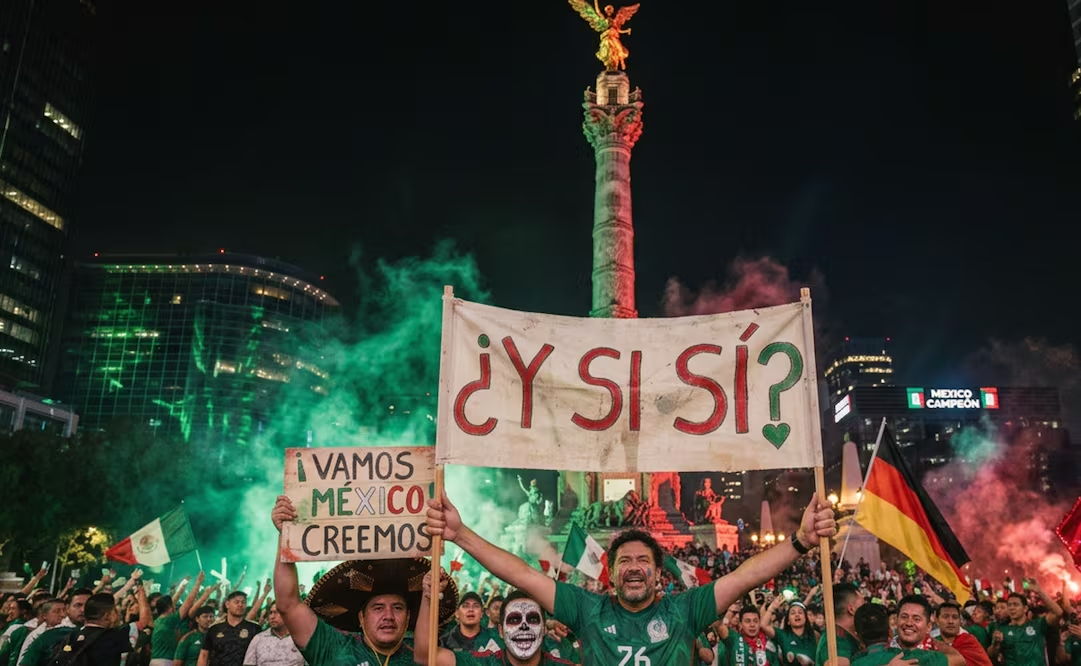
More than a purchase
That shift shows up in who is buying the jersey, not just how many.
At swap meets and soccer stores across Los Angeles, vendors ran out of stock and had to reorder. One fan in Norwalk said he looked around at Costco on a Monday morning and saw a sea of green, white and red that nearly brought him to tears (LAist, 2026).
But the most telling part is not the volume. It is the stories behind each purchase.
Xochi Flores, a third-generation Chicana from Oxnard whose great-grandparents were Mexican, said she had never worn a Mexico jersey before this summer. “I didn’t feel like I could go around representing Mexico when I’m a Chicana, not the best Spanish speaker,” she said. This year, she finally put one on (LAist, 2026).
That is not a sports purchase. That is a declaration of identity.
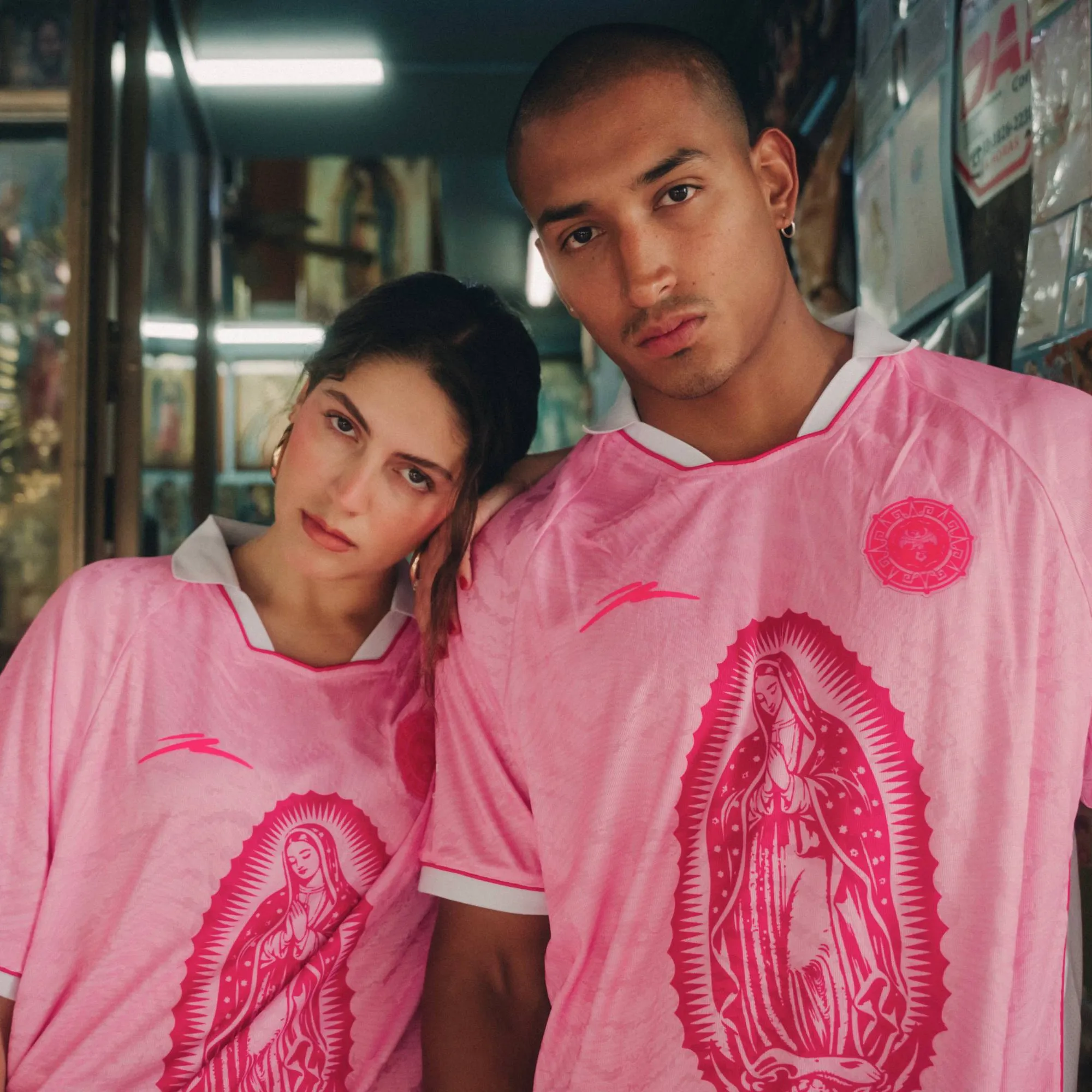
And brands like LALA x Mexico Is The Shit understood this before anyone else. Their limited edition collection of 100 pieces per style, a jersey, a denim jacket, a cap, sold out almost immediately. Not because of the sport. Because owning something that only 100 people in the world have, something that carries Mexican identity in the language of streetwear, gives you something the official Adidas jersey cannot: exclusivity and cultural status at the same time (Fast Company México, 2026).
What this means for your hispanic marketing strategy
This is the lesson most brands miss.
For years, the conversation around latino marketing has been about representation. Put a Latino face in the ad. Translate the copy to Spanish. Show up during Hispanic Heritage Month. Check the box.
But the Mexico jersey tells a different story. Nobody is buying it because they saw an ad. Nobody is buying it because a celebrity told them to. They are buying it because it gives them something to wear on the outside that reflects what they carry on the inside.
That is not representation. That is belonging.
And belonging is a much more powerful motivator than any campaign. When a brand understands that Latino consumers are not looking to be seen in an ad, they are looking for ways to express who they are, everything changes. The product becomes a vehicle. The brand becomes part of the culture. And the relationship between consumer and brand stops being transactional and starts being something that lasts.
The brands that got this right this summer did not try to sell to Latino consumers. They gave them something worth wearing. Worth sharing. Worth being proud of.
That is the standard. And it is a much higher bar than a translated tagline or a green-tinted Instagram post during the tournament.
The question for your brand
At Vaquero, we have seen this firsthand. The brands that build real relationships with Latino consumers are not the ones with the biggest budgets or the most translated campaigns. They are the ones that understand what their audience is actually looking for, and give them a way to express it.
That is what makes us a different kind of hispanic marketing agency. We do not start with the product. We start with the culture. Because when you understand what a green jersey with an Aztec Sun Stone means to someone standing in line at Costco in Norwalk, California, you understand something about Latino consumers that no focus group can teach you.
The Mexico jersey is not a trend. It is a signal. And the brands that read it correctly are the ones that will still be relevant to Latino audiences long after the tournament is over.
The brands that start now are the ones that will be remembered. Loyalty is not built in the moment of purchase. It is built in every moment before it. Show up today, and you will not have to fight for attention tomorrow.
And reading the culture is not as complicated as it sounds. Sometimes it shows up in a sold-out jersey. Sometimes it shows up in a Pixar movie. Here is what Toy Story 5 gets about Latino audiences that most brands still miss.
If you are ready to build a real relationship with Hispanic audiences, that is exactly what we do best. Let’s talk.
Works Cited
ESPN. “Mexico’s World Cup Jersey Is the Best Seller in the World.” mexiconewsdaily.com,2026.
HispanicPro Network. “How Mexico’s World Cup Jersey Outsold Every Other Team at the 2026 FIFA World Cup.” hispanicpronetwork.ning.com,2026.
LAist. “That Mexican Soccer Jersey Is Everywhere Right Now. But Wearing One Has Many Different Meanings.” laist.com,July 2026.
Fast Company México. “Lala se mete al streetwear mundialista con una colección con Mexico Is The Shit.” fastcompany.mx,June 2026.
Fast Company. “The World Cup’s Coolest Jerseys Come From Indie Designers.” fastcompany.com,2026.