
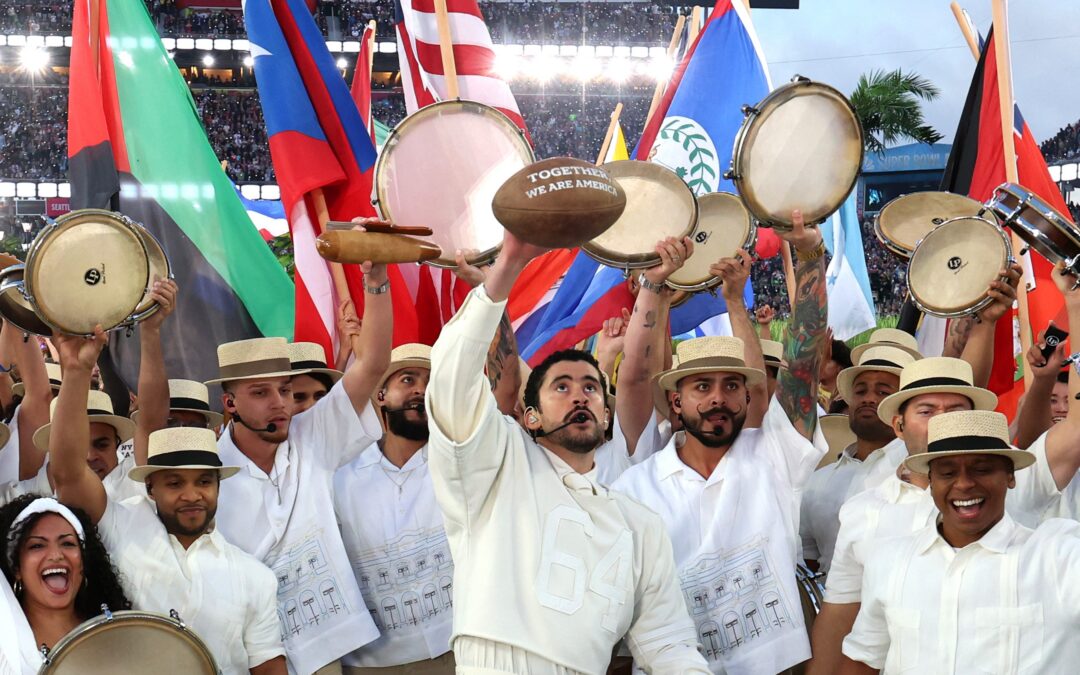
When Bad Bunny stepped onto the Super Bowl halftime stage, it wasn’t just a performance. It was a cultural moment. For millions of Latinos watching across the U.S. and beyond, it felt personal. It felt intentional. And more than anything, it felt like unity.
The NFL’s decision to stand by him as the halftime performer signaled just how global — and powerful — Latino culture has become (Kahler, 2026). But what unfolded on stage went beyond entertainment. It carried messages of love, pride, and belonging that resonated deeply within the Latino community.
Let’s talk about what that meant, and why brands should be paying attention.
A Stage That Spoke Spanish Without Apology
One of the most powerful aspects of the performance was language.
Bad Bunny delivered the entirety of his show in Spanish. Spanish filled one of the largest broadcast stages in the world.
For Hispanic audiences, that matters.
Language is identity. It’s memory. It’s family dinners, abuela’s advice, inside jokes, and kids sleeping on chairs at parties. Hearing Spanish at the Super Bowl halftime show wasn’t just representation — it was validation.
It sent a clear message: you don’t have to translate yourself to belong.
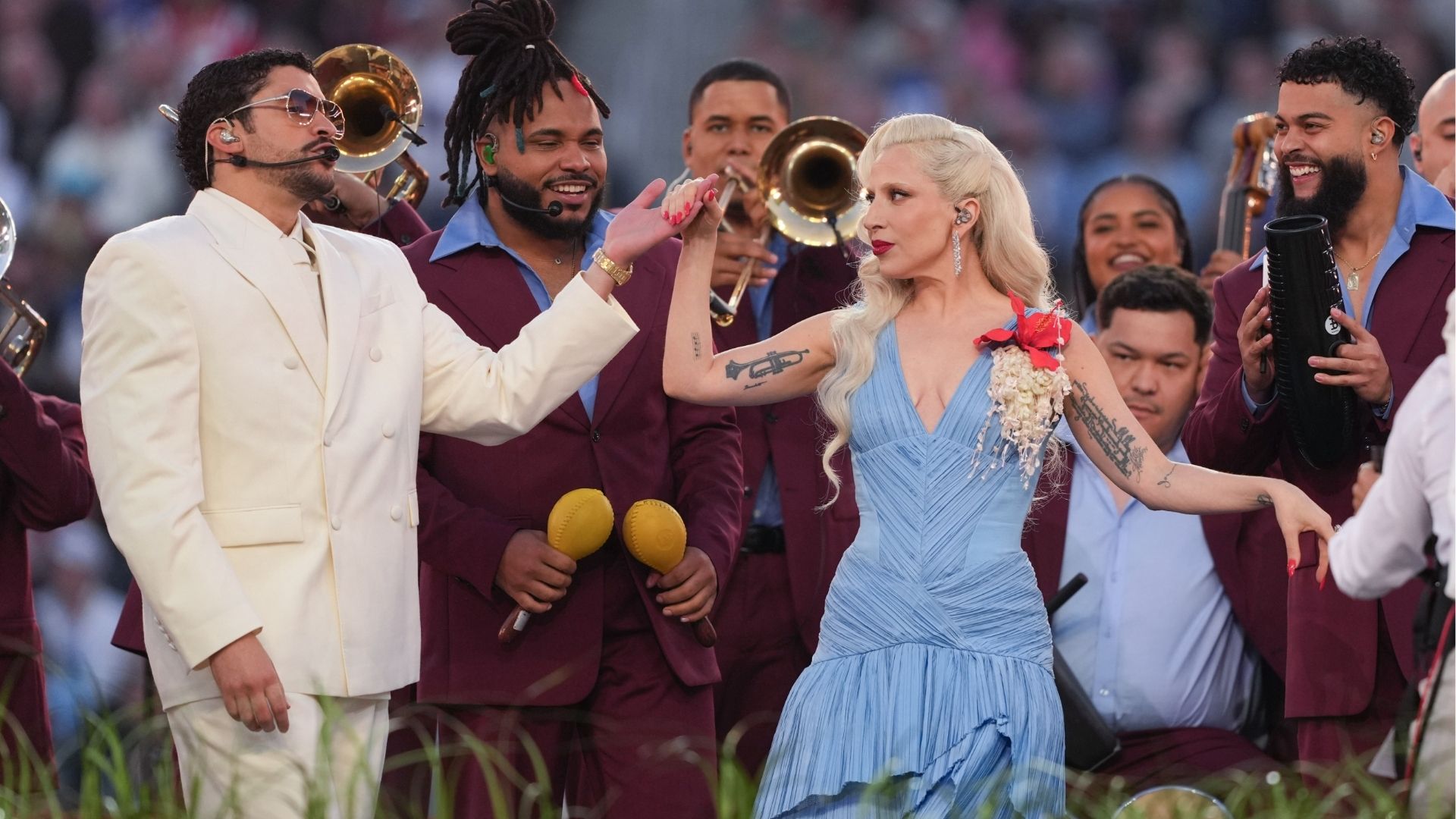
Puerto Rico at the Center
Bad Bunny has consistently centered Puerto Rico in his artistry, and the halftime show was no exception. From visual cues to cultural references, the performance carried pride for the island and its people.
That visibility matters for Latinos across different national backgrounds. When one part of the community is celebrated on a global stage, it creates a ripple effect of pride. It reinforces something many young Latinos are still learning: Your culture is not “extra.” It is not “niche.” It is world-class.
Why This Moment Matters for Latino Communities
For years, Latino representation on major stages has grown steadily. But moments like this accelerate cultural confidence. When a Latino artist headlines one of the most-watched events in the world:
- Young Latinos see themselves in spaces they once felt excluded from.
- Families feel pride watching their culture honored.
- The broader public experiences Latino identity as mainstream, not “other.”
Representation isn’t just about visibility. It’s about normalization. It’s about shifting who gets to be the face of global moments.
What Brands Should Be Learning
Bad Bunny’s halftime show wasn’t just entertainment — it was a masterclass in cultural authenticity.
Here’s what brands can take away:
1. Authenticity Wins: Bad Bunny didn’t dilute his identity to appeal to a broader audience. He leaned into it. Audiences reward brands that do the same.
2. Language Is Power: Spanish isn’t a niche strategy. It’s a growth strategy. Cultural bilingualism reflects the real America.
3. Culture Drives Business: The NFL’s decision to book and stand by him reflects a larger reality: Latino culture is shaping mainstream entertainment and consumer trends (Kahler, 2026).
4. Unity Resonates: Campaigns that center on shared values connect across communities.
Bad Bunny’s halftime show symbolized something larger than one night of music. It symbolized belonging, pride, and unity. And for Latinos watching at home, it felt like being seen — fully, confidently, and unapologetically.
For brands, the message is clear: Latino culture is not a trend. This is shaping the future of entertainment, media, and consumer engagement. The question is no longer whether to include Latino storytelling. The question is how to do it authentically.
At Vaquero, our Latino-owned agency, we believe moments like this aren’t just cultural milestones — they’re strategic signals.