
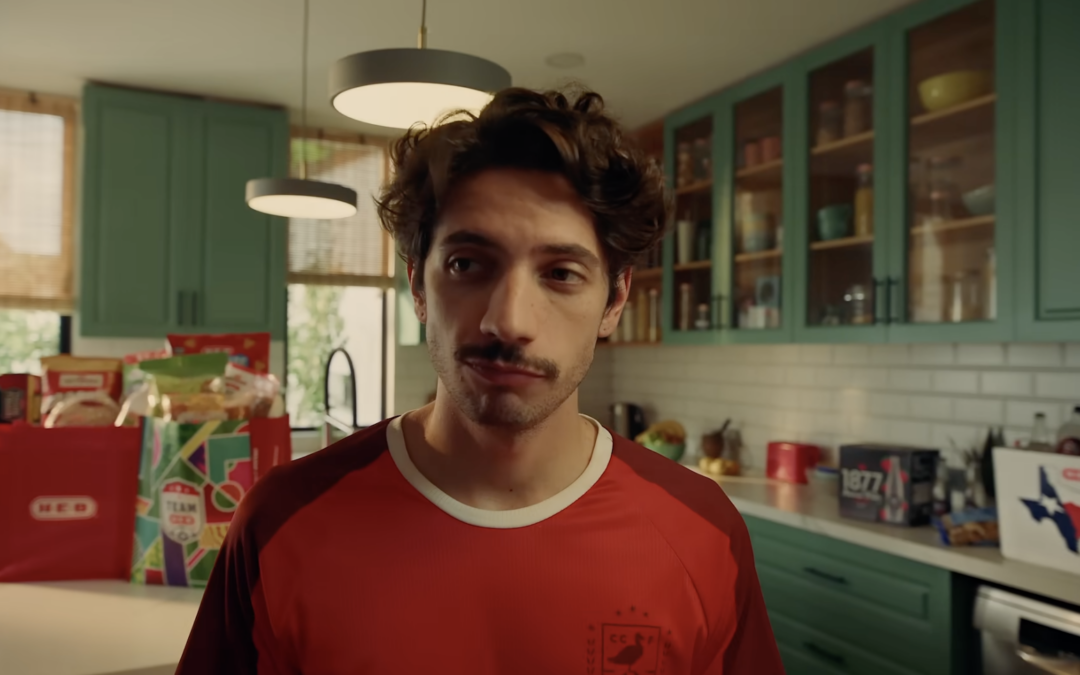
We’ve spent the last several weeks doing what most people in this industry have been doing: watching matches, watching ads, and watching brands either get it or completely miss it. And after a tournament this size, hosted across the US, Mexico, and Canada, with more advertising dollars behind it than any World Cup before, we couldn’t sit this one out without saying something.
So here’s our honest, slightly opinionated take on what this World Cup reconfirmed for us about Hispanic marketing in the US. Not a trend report. Just what we saw, as an agency that’s been doing this work for a while.
1. Translation was never the strategy. It’s the floor.
If there’s one thing this tournament made painfully obvious, it’s how many brands still think “in Spanish” means “for Hispanics.” It doesn’t. The work that actually landed this summer wasn’t the work that translated a script, it was the work that understood why a Mexican family watches a match differently than an English-language broadcast audience does. The cadence, the passion, the way soccer lives inside a household, a neighborhood, a generational memory. That’s not a language decision. That’s a cultural one. And it’s the difference between an ad that plays during the game and an ad that feels like it belongs in the room.
2. Reach is easy to buy. Relevance isn’t.
Every brand with a media budget could buy their way onto Hispanic screens this summer. Spanish-language broadcasts pulled enormous audiences, in some markets outperforming English-language coverage outright. But audience size was never the hard part. The hard part was earning the right to be there. We kept coming back to the same question when we looked at what worked: did this feel native to how people actually experience the tournament, or did it feel like a brand waving at the moment from a safe distance? Too many campaigns were still built around one “hero” idea, chopped into pieces, and pushed out everywhere. The ones that actually resonated were built to move, responding to a goal, an upset, a breakout player, the way real fans do.
3. “Hispanic” is not one audience, and this tournament proved it louder than usual.
With host cities spanning three countries, the flattening of “the Hispanic market” into a single monolith became impossible to ignore. A watch party in Houston doesn’t look like one in Mexico City, and neither looks like one in Toronto. National origin, generation, language dominance, even which national team someone is rooting for, all of it shapes how a brand should show up. The brands still planning one national campaign and layering a Hispanic “version” on top of it are already behind. The ones getting it right are building from local insight outward, not translating downward.
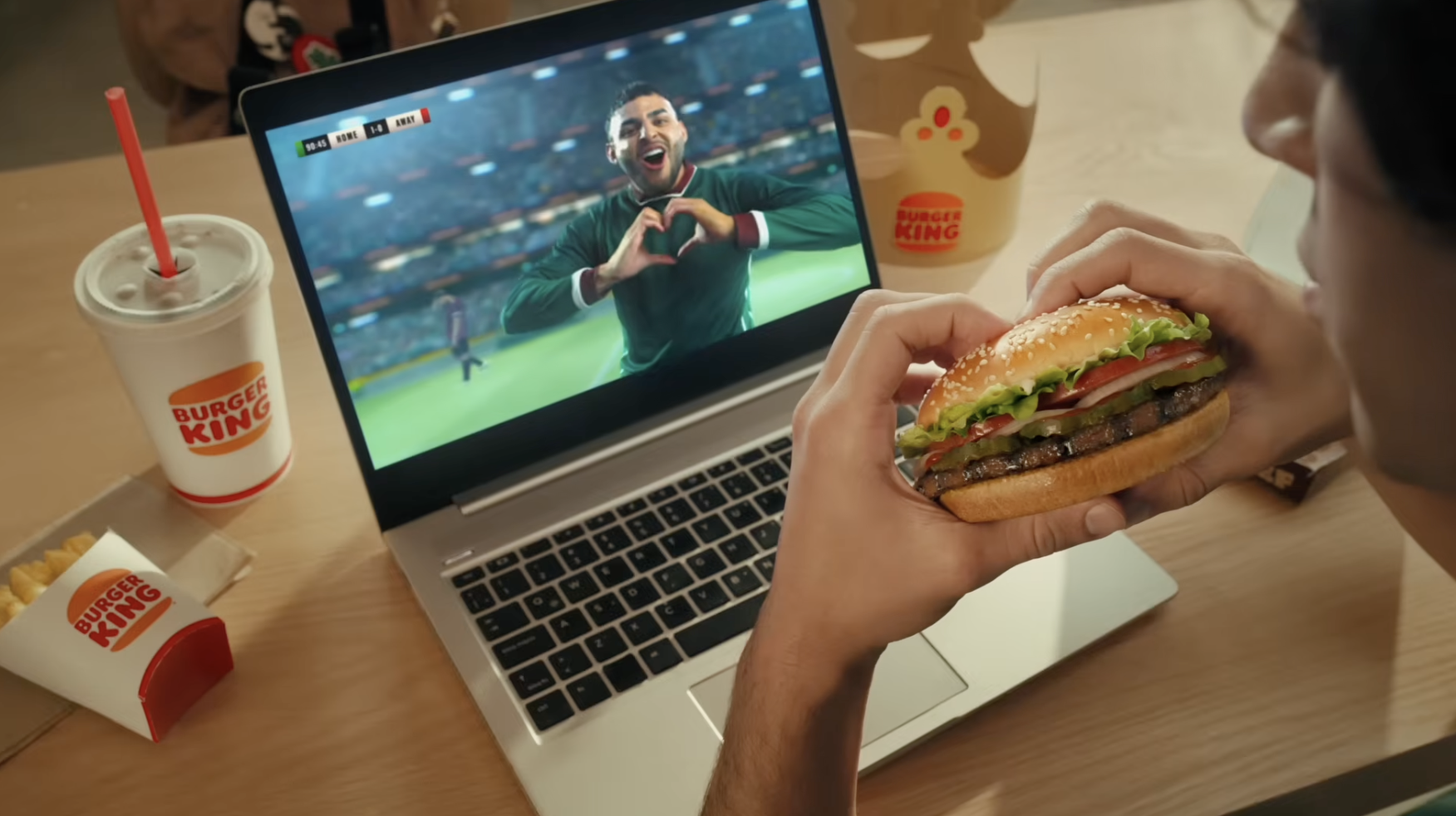
4. Nobody needed a nine-figure sponsorship to win the room.
This is the part that genuinely surprised us, and it’s worth saying out loud: several independent analyses of this tournament found that non-sponsor brands and creator-led campaigns generated more earned media and engagement than official FIFA partners did; in some cases nearly double, and in others outright more total earned media value than all official sponsors combined. A prediction-market app with zero sponsorship rights out-viewed a celebrity-studded campaign from an official partner by a wide margin. That’s not a small footnote. It’s a pretty direct challenge to the assumption that visibility has to be bought at scale to matter. To be fair, this wasn’t universal, a couple of official sponsors leaned into culture fast enough to win anyway, and one caught up hard once the tournament actually kicked off. But the broader pattern held: speed, cultural fluency, and creator relationships beat logo placement more often than they lost to it. For brands (and agencies) working with real Hispanic-market budgets, which are rarely nine figures, that’s genuinely good news. It means the ceiling isn’t set by sponsorship dollars, it’s set by how well you understand the room you’re walking into.
5. The second screen is the real screen now.
This isn’t new, but the World Cup made it impossible to ignore: fans were watching, reacting, posting, and following commentary in real time, often on a second device while the match played. For brands, that means the campaign can’t live and die in a 30-second spot. It has to have something worth reacting to, and something worth sharing in the fifteen minutes after a goal, not just the fifteen weeks of media planning before kickoff.
Why this matters beyond soccer
The World Cup is a magnifying glass. It just makes visible, at scale and on a deadline, the same gap that exists in Hispanic marketing every single day: the difference between reaching an audience and actually understanding it. Brands that treated this tournament as a one-off multicultural checkbox will move on in a few weeks. The ones that treated it as a real relationship, with a community that’s shaping American culture and spending power well beyond any single event, are the ones we think will still be relevant a year from now.
That’s the work we care about. Not the campaign that performs for a month, but the brand relationship that’s still standing after the final whistle. Contact us and let’s discuss further!