
There is a difference between a brand people buy and a brand people belong to.
Most brands spend their marketing budget trying to be the first. The ones that win with Latino consumers become the second.
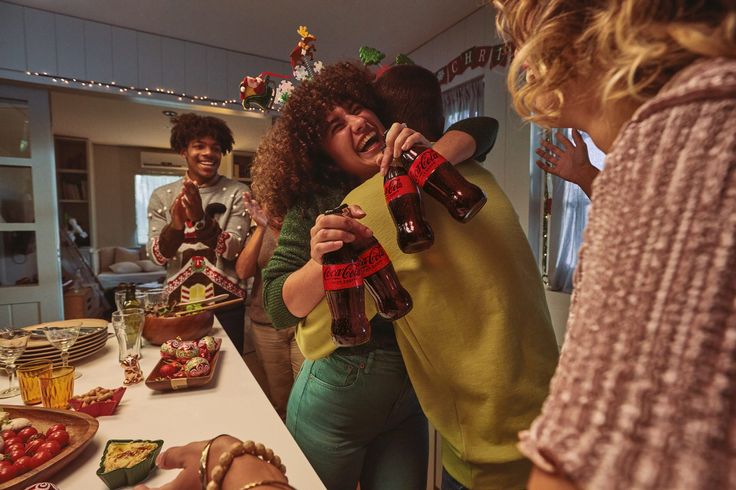
Think about Coca-Cola at a family reunion. Not as a product someone chose at the grocery store, but as the thing that was always there. On the table next to the food. In the hands of the tías. In the cooler at every birthday, every quinceañera, every Sunday afternoon that stretched into the evening. Nobody decided Coca-Cola was the family drink. It just became that. And that is worth more than any loyalty program ever invented.
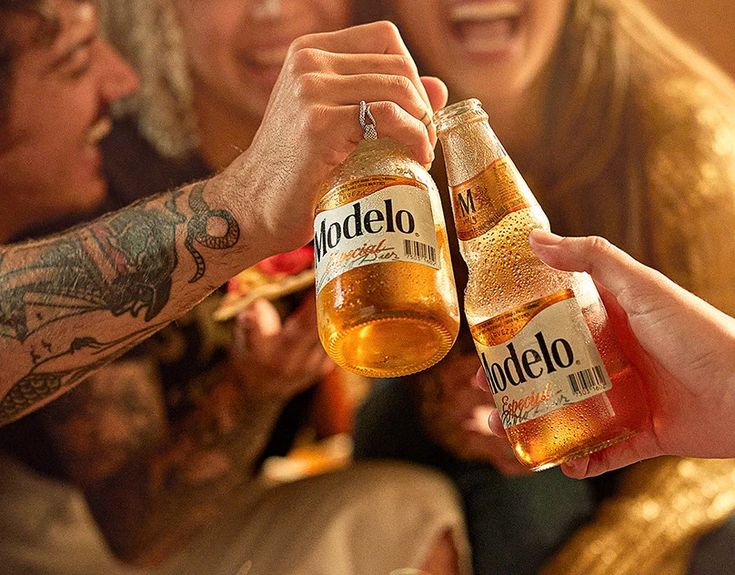
The same thing happened with Modelo. Not because of a campaign, but because over decades it became synonymous with the carne asada, with the gathering, with the moment after a long week when family and friends finally sit down together. Hispanic and Latino consumers now represent 32.5% of Constellation Brands’ total sales, despite being only 19.5% of the U.S. population (CNBC, 2024). The company’s own VP called them “the single most important consumer group for our beer business.” That kind of loyalty is not bought. It is earned through presence, consistency, and genuine cultural understanding.
And then there is Nike. Not the Nike of performance specs and endorsement deals, but the Nike that shows up in Latino communities as a symbol of ambition. Of proving people wrong. Of making it. Nike’s campaigns with Latino audiences have never been about selling shoes. They have been about reflecting back the values that already exist in the culture.

What they all have in common
The three brands have something in common that most marketing briefs will never capture.
None of them asked for permission to be part of Latino culture. They didn’t launch a Hispanic Heritage Month campaign and call it a strategy. They didn’t hire a translation agency and call it connection. They showed up, consistently, in the moments that matter most to Latino families, and they stayed.
That is the difference between a brand that markets to Latino consumers and a brand that belongs to them.
Coca-Cola didn’t become the drink of family reunions because of a campaign. It became that because it was there, every time, for decades. Modelo didn’t become synonymous with the carne asada because of a focus group. It became that because it understood what the gathering meant, and it never tried to change it. Nike didn’t earn its place in Latino communities by featuring Latino athletes in ads. It earned it by reflecting something that was already true: that the values of hard work, ambition, and proving yourself are not marketing angles. They are lived experiences.
Research confirms what Latino consumers already know. Culturally resonant ideas that celebrate Hispanic values, family connections, and aspirations deliver significantly higher ROI than generic campaigns (Forbes, 2025). But ROI is almost beside the point. The real return is not measured in a quarter. It is measured in generations.
What this means for your brand
Loyalty programs work. Discounts drive traffic. Promotions move product.
But none of them build the kind of relationship where a consumer reaches for your brand without thinking about it. Where your product shows up in family photos not because someone was paid to put it there, but because it was just there. Because it always is.
That kind of loyalty does not come from a points system. It comes from cultural belonging. And cultural belonging is not something you can buy in a campaign. It is something you earn by showing up in the right moments, with the right understanding, over and over again until the brand stops being something the consumer chose and starts being something the consumer is.
We hear this from brands that come to us at Vaquero all the time. They want the loyalty that Modelo has, the cultural presence that Coca-Cola built, the aspirational pull that Nike earns. And the answer is always the same: you cannot replicate decades of cultural investment in a quarter. But you can start building it today.
The brands that will have that relationship with Latino consumers in ten years are the ones that started the work now. Not during Hispanic Heritage Month. Not during the World Cup. Now.
As we’ve written before, the most successful brands treat Latino audiences as a long-term relationship, not a seasonal campaign. The difference between the two is exactly the difference between a brand people buy and a brand people belong to.
If you are ready to start building that kind of relationship, that is exactly what we do best. Let’s talk.
Works Cited
CNBC. “‘The Choice of the People’: How Modelo and Corona Maker Constellation Brands Won the Loyalty of Hispanic Consumers in the U.S.” cnbc.com, October 12, 2024.
Mizrahi, Isaac. “Beyond The Noise: A Clear-Eyed Case For Hispanic Consumer Investment In 2026.” Forbes, December 17, 2025.
NielsenIQ. “Multicultural Momentum: How Hispanic Consumers Are Redefining Retail Growth.” nielseniq.com, February 16, 2026.
Galloway Research Service. “The $4.1 Trillion Latino Consumer Market: What Researchers Need to Know.” gallowayresearch.com, December 15, 2025.