
There is a dicho in Latin America: you win someone’s heart by cooking for them.
It is not just a saying. It is a truth that anyone who has ever sat at a Latino table already knows.
People travel across the world and forget the museums. They forget the hotels. They forget the names of the streets. But they never forget the food. The smell of tortillas on a comal at six in the morning. The sound of a carne asada starting up in the backyard. The taste of a mole that took three days to make. These are not just meals. They are memories encoded in the senses, and they last longer than any photograph.
For Latino communities in the United States, food is not just nostalgia. It is identity. It is the first thing they recreate when they arrive somewhere new. It is the ritual that keeps generations connected across borders, across languages, across time.
And that is exactly why food is the strongest cultural symbol a brand can attach itself to.
Not a flag. Not a logo. Not a spokesperson. Food.
Food is not a category. It is a ritual.
Most brands think about food as a product category. Something you sell, something you market, something you promote with a coupon or a limited-time offer.
Latino consumers experience food differently.
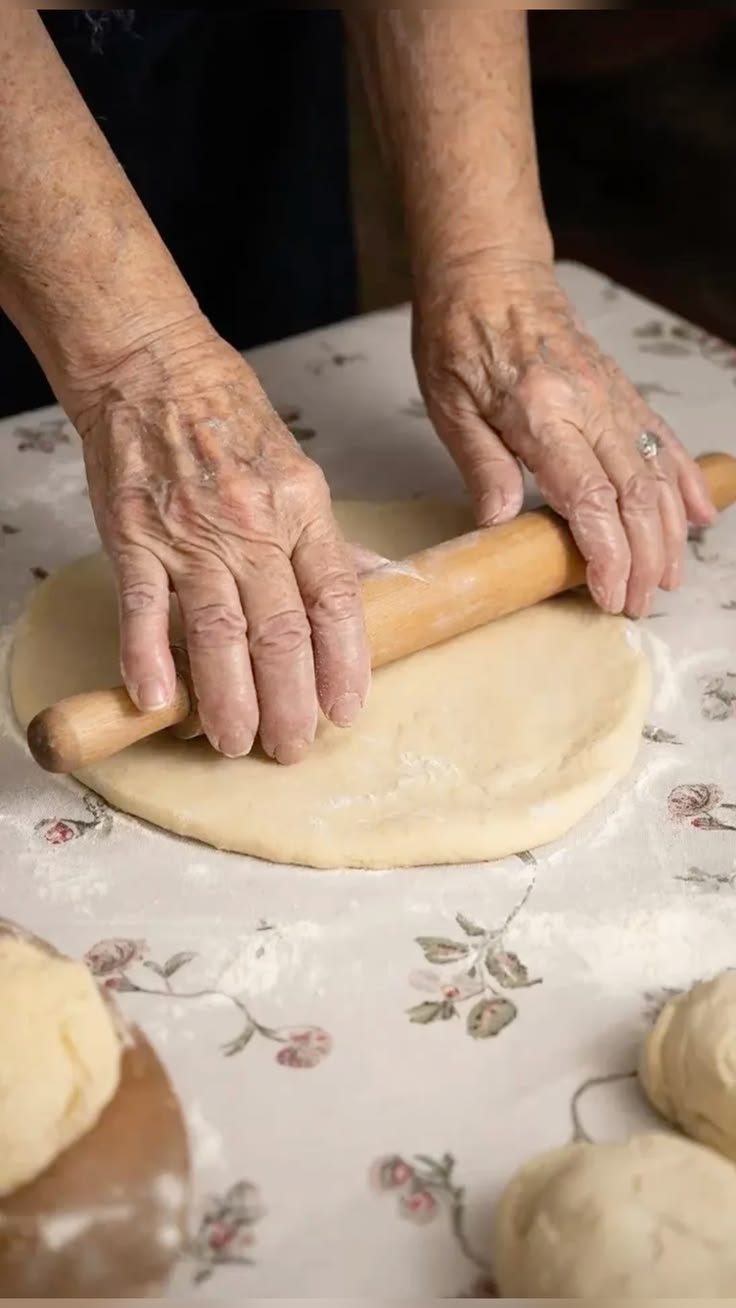
Food is how families stay connected across generations. It is how grandmothers pass down identity without saying a word. It is how a person living in Dallas or Chicago or Los Angeles keeps a piece of Oaxaca or Jalisco or Puebla alive in their kitchen every single day. The recipe is not just a recipe. It is a thread that runs from a grandmother’s hands to a mother’s hands to a daughter’s hands, crossing borders and decades without ever breaking.
That is why the smell of something cooking can stop a Latino consumer in their tracks in the middle of a grocery store aisle. Not because they are hungry. Because they are home.
And that is exactly the kind of emotional territory a brand can occupy, if it earns the right to be there.
The brands that understand this do not try to insert themselves into the meal. They position themselves as part of the ritual. They show up consistently, in the right moments, with enough cultural understanding to feel like they belong at the table. Not as a sponsor of the moment. As part of it.
That is a fundamentally different relationship than any promotion can build. And it is the kind of relationship that Latino consumers maintain for life, across generations, because the brand stopped being a choice a long time ago and became part of the family’s story (Minnesota Department of Health, 2025).
What this means for your hispanic marketing strategy
The question is not whether food matters to Latino consumers.
It does. It always has. The question is whether your brand has earned a place at that table.
Most brands have not. Not because they did not try, but because they approached the table as outsiders. They showed up with a translation and called it strategy. They launched a campaign during Hispanic Heritage Month and called it commitment. They put a tamale on their packaging and called it cultural relevance.
Latino consumers are not fooled. They know the difference between a brand that understands their table and a brand that photographed it.
The brands that have earned a place at that table did not get there through a campaign. They got there through years of showing up in the right moments, with the right understanding, and the patience to let the relationship build on the community’s terms, not the brand’s timeline.
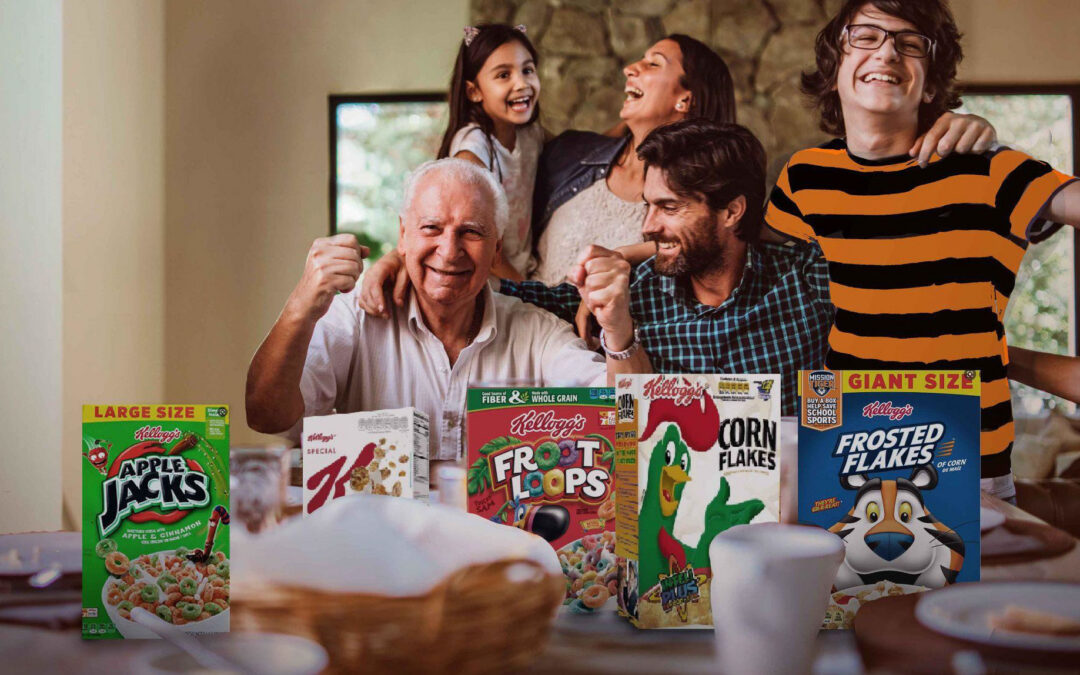
Some brands have figured this out. Kellogg’s built an entire campaign around a single truth: their cereal had been on the breakfast tables of Latina moms for generations, on both sides of the border. Not as a product. As a morning ritual. Here is how they did it, and what any brand can learn from their approach.
At Vaquero, we have one question for every brand that comes to us wanting to connect with Latino audiences: are you ready to do the work, or are you just hungry for the market?
Because the table is there. The community is there. The opportunity is there.
But a seat at that table is not something you buy. It is something you earn.
Works Cited
Minnesota Department of Health. “Latin American Culture and Foods Toolkit.” health.state.mn.us , December 2025.
Refuel Agency. “12 Examples of Brands Who Got Multicultural Marketing Right.” refuelagency.com , April 2026.
Vaquero Advertising. “How Kellogg’s ‘On Moms’ Tables Aquí y Allá’ Got Latino Marketing Right.” vaqueroadvertising.com , March 2026.